
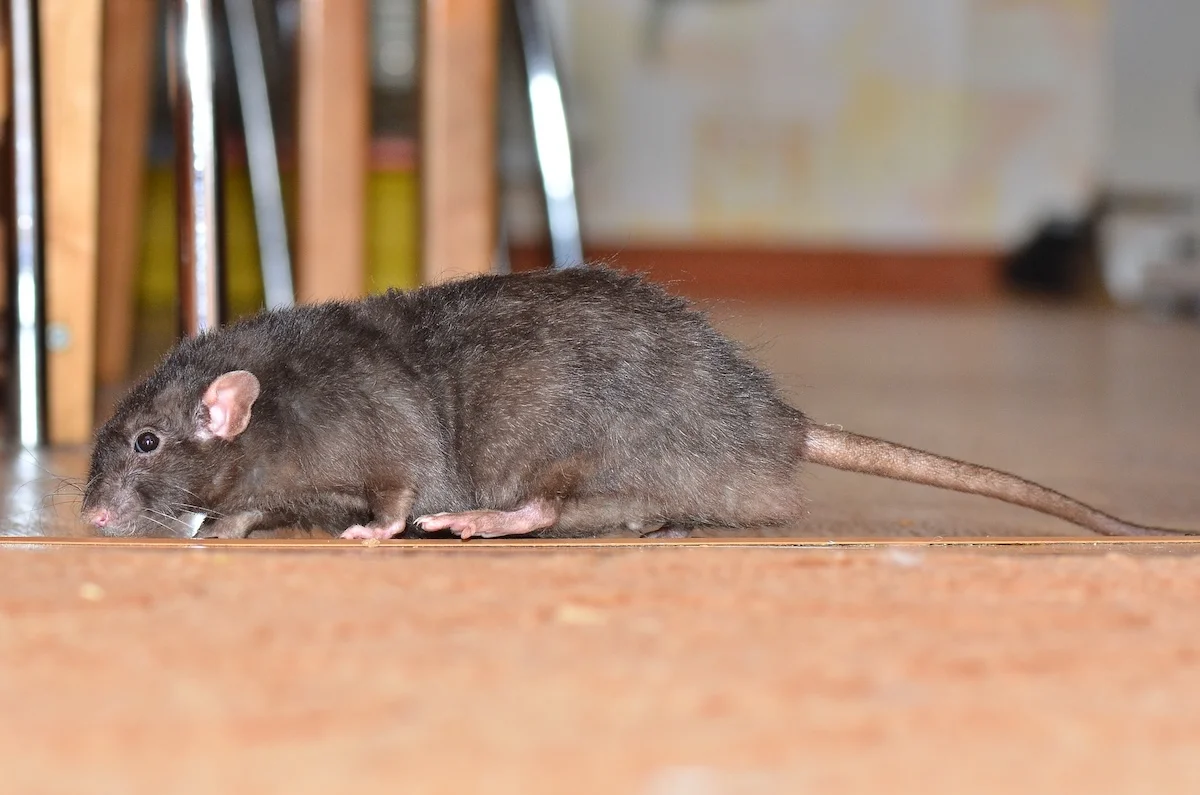
You hear a noise in the attic at 2 a.m. It could be a loud thump, a scratching sound, a high-pitched squeak, or something that seems to move across the ceiling. Your first question is probably simple: what is making that sound? Identifying wildlife by sound is one of the most useful skills a homeowner can develop. Furthermore, wildlife sounds often reveals its size, its activity pattern, and even whether it has young.
Not every noise in your home signals a wildlife problem. Houses settle, pipes expand, and wind moves through gaps. However, when sounds repeat on a schedule or come from inside walls, attics, or crawl spaces, an animal may be living on your property. Learning the common patterns can help you decide when to investigate and when to call a professional.
This guide explains what the most common home invaders sound like, when they are most active, and what those wildlife sounds can tell you about the problem. It also explains why a sound alone rarely provides a full diagnosis.
Why Sounds Are Useful for Identifying Wildlife
Wildlife sounds carry clues beyond their pitch and volume. Indeed, timing, location, and rhythm often tell you as much as the noise itself.
Timing reveals an animal’s schedule. Nocturnal animals such as rats, mice, raccoons, and opossums are most active after dark. Meanwhile, squirrels are busiest during daylight hours. Therefore, noticing when a sound occurs can narrow down the possibilities quickly.
Size shapes the sound. A heavy animal produces deep thumps and drags, while a small animal produces light scratching or quick scurries. Consequently, the weight and force of each movement help separate a raccoon from a mouse.
Location suggests the path of travel. Animals tend to follow the same routes between entry points, nests, and food sources. Moreover, sounds that move along a consistent line often indicate a regular travel route.
Repetition indicates habits. A single noise may be accidental, but a sound that repeats at the same time each day or night suggests an established pattern. As a result, repeated sounds are more significant than isolated ones.
Common Sounds from Rodents
Rodents are among the most frequent causes of noises inside walls and attics. However, their sounds vary by species.
Mice
Mice make light, quick sounds. They produce fast, faint scratching and scurrying noises. Furthermore, they often make tiny squeaks and chattering sounds when communicating. Because they are small, mouse activity is usually quieter than that of larger animals.
Mouse sounds are often heard at night. Mice are most active during the evening and overnight hours. Additionally, their movement may sound like rapid bursts followed by silence.
Gnawing is a key indicator. Mice chew constantly to keep their teeth worn down. Consequently, a faint, steady gnawing sound inside a wall often points to mice rather than larger animals.
Rats
Rats make heavier sounds than mice. They are larger and heavier, so their movement creates louder scratching, thumping, and dragging noises. Moreover, rats often run along pipes and beams, which can amplify their footsteps.
Rat activity may include squeaking and fighting. Rats frequently squeak when they interact with one another, especially during territorial disputes. Furthermore, these vocalizations can sound surprisingly loud within enclosed walls.
Rats are most active after dark. Like mice, rats generally move at night. However, large colonies may also make noise during the early morning hours before settling down.
Squirrels
Squirrel sounds are often daytime noises. Unlike most rodents, squirrels are active during daylight. Therefore, scurrying, scratching, and rustling in the attic during the day often point to squirrels.
Squirrels make scratching and chewing noises. Squirrels gnaw on wood, wires, and insulation. As a result, you may hear a steady gnawing sound or sharp cracking as they break material apart.
Squirrels run across the ceiling. Because squirrels are relatively heavy and quick, their movements often sound like rapid, uneven footsteps along the attic floor or rafters.
Sounds from Larger Mammals
Larger animals produce deeper, heavier sounds. Consequently, their presence is often easier to recognize, though it still requires careful observation.
Raccoons
Raccoons make heavy, deliberate sounds. Adult raccoons weigh between 10 and 30 pounds, so their footsteps are loud and distinct. Moreover, they often create thumping sounds as they walk across attic floors or roof decking.
Raccoons vocalize in several ways. Raccoons chitter, growl, hiss, and purr. Furthermore, mothers with young may make high-pitched whimpering or crying sounds, especially in spring and early summer.
Raccoon activity usually peaks at night. Raccoons are most active from dusk through the early morning. However, they may also be heard during early evening before they leave their dens.
Opossums
Opossums make slow, shuffling sounds. They move deliberately and often make soft scraping or dragging noises. Additionally, they are less agile than squirrels or rats, so their movements may sound more uneven.
Opossums hiss when threatened. When cornered, an opossum may hiss, growl, or make a sharp, open-mouthed display. Consequently, any defensive hissing should be treated as a sign to keep your distance.
Opossum activity is nocturnal. Opossums typically roam at night, searching for food and shelter. Therefore, nighttime shuffling may indicate their presence.
Skunks
Skunks make soft digging and shuffling sounds. They dig for insects and grubs, which can produce scratching noises under decks and porches. Furthermore, they tend to move slowly, so their steps may sound deliberate.
Skunks rarely make loud vocal noises. Skunks are usually quiet. However, they may stamp their feet or chatter when feeling threatened.
Skunk odor is often more noticeable than sound. Because skunks are quiet, a strong musky smell may be a more reliable indicator than noise.
Sounds from Bats
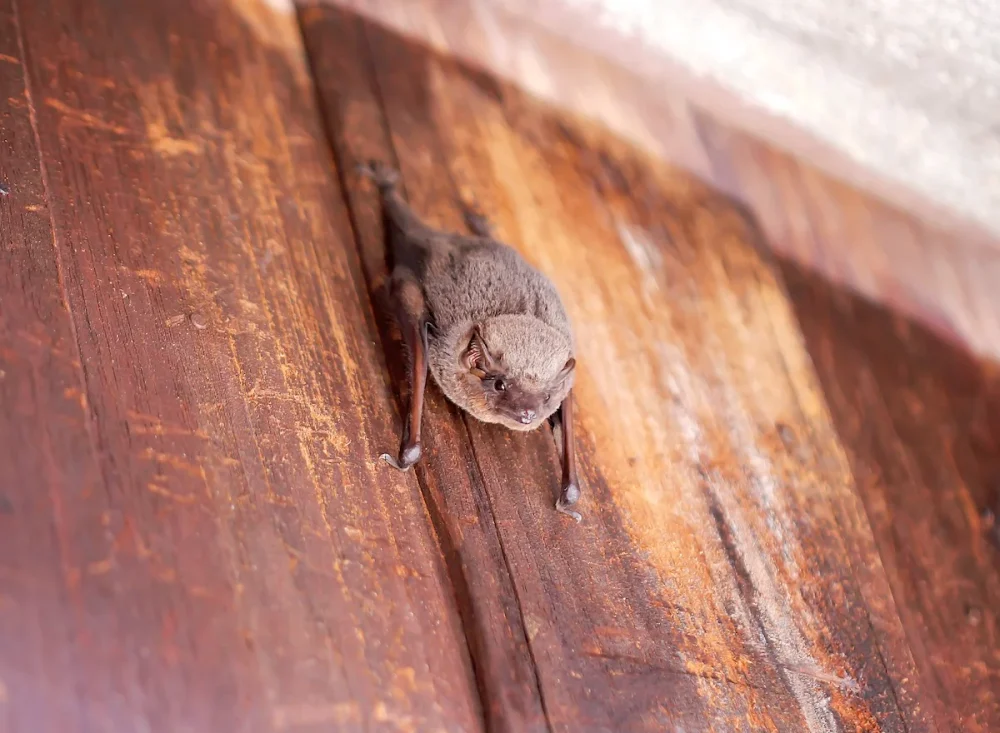
Bats are often heard before they are seen. However, their sounds are high-pitched and easy to miss.
Bats produce squeaks and chattering. Many people first notice bats through faint squeaking, especially in attics, soffits, and wall spaces. Moreover, these sounds are often loudest when babies are present.
Bat activity follows a predictable schedule. Bats typically emerge at dusk and return near dawn. Therefore, sounds that increase during these times often point to a colony.
Bats may also produce scratching. Bats sometimes shuffle or move within roosting spaces. Furthermore, these movements may be mistaken for rodent activity, which is why professional identification is valuable.
For a closer look at bat-related signs, our guide on identifying bat activity in your home explains what to watch for.
Sounds from Birds
Birds can be noisy, particularly during nesting season. Their sounds vary widely, so identification depends on careful listening.
Woodpeckers
Woodpeckers drum on surfaces. They create rapid, repeated tapping or drumming sounds when they peck wood. Moreover, they may drum on siding, gutters, or chimney caps to establish territory.
Woodpecker drumming is often rhythmic. Unlike the random scratching of rodents, drumming tends to occur in short, fast bursts. Consequently, the rhythm can help distinguish woodpeckers from other animals.
Starlings and Sparrows
Starlings and sparrows chatter. These birds make a variety of chirps, whistles, and rustling sounds. Furthermore, nesting birds can be heard shuffling materials in vents or chimneys.
Nesting birds are often heard during daylight. Because most songbirds are active during the day, their sounds typically occur in the morning and afternoon.
Chimney Swifts
Chimney swifts make chittering sounds. These birds produce a rapid chattering noise as they move within chimneys. Moreover, this sound may be louder during early morning and evening flights.
Chimney swifts are protected. Because they are federally protected while nesting, homeowners should seek guidance before taking action on their chimney activity.
Distinguishing Similar Sounds
Several animals can produce similar noises. Therefore, careful comparison is important.
Mice versus squirrels. Mice produce quick, light sounds, often at night. Squirrels create heavier, more deliberate noises during the day. Consequently, timing and weight are the most useful distinctions.
Rats versus raccoons. Rats make faster, smaller movements and often squeak. Raccoons produce slower, heavier thumps and may growl or chitter. Furthermore, raccoons usually leave larger signs of damage.
Bats versus birds. Bats emerge at dusk and produce high-pitched squeaks. Birds are usually active during daylight and produce a wider range of songs and calls. Moreover, bat sounds tend to come from enclosed spaces such as soffits and attics.
Wind and pests. Loose siding, flapping vent covers, and moving tree branches can mimic animal sounds. Therefore, check for wind-related causes before assuming wildlife is present.
When to Take Action
A single noise is not always a cause for alarm. However, certain patterns should prompt a closer look.
- Sounds occur on a regular schedule. Repeated noises at the same time each day suggest an established animal.
- Noises come from inside walls or attics. Interior sounds often indicate that an animal has entered your home.
- Sounds are accompanied by odors or droppings. Strong smells and droppings often confirm wildlife activity.
- Noises include young animals. High-pitched crying or constant vocalizations may indicate babies, which requires special handling.
- Damage is visible. Chewed wires, torn insulation, or new holes in vents or siding are signs of an active problem.
If you notice any of these signs, document the sounds before contacting a professional. Record the time, location, and duration of each noise. This information can help a technician identify the animal more quickly and plan the right response.
Why Wildlife Sounds Alone Are Not Enough
Sounds can be misleading. Two different animals may create similar noises, and sound can travel through walls and ducts, making the source hard to pinpoint. Moreover, some animals stay silent for long periods, so the absence of noise does not guarantee that the animal has left.
Professional wildlife technicians combine sound analysis with inspection. They look for entry points, droppings, nesting materials, and tracks. Furthermore, they understand legal protections and seasonal restrictions that affect how an animal may be handled. As a result, a professional diagnosis is far more reliable than a guess based on noise alone.
For homeowners dealing with ongoing noises, professional assessment provides clarity. A trained technician can confirm the species, determine whether young animals are present, and recommend a safe, lawful plan. Learn more about our wildlife removal services and how we help homeowners resolve noise problems.
For additional information about bird calls and identification, the Cornell Lab of Ornithology’s All About Birds site offers helpful recordings and descriptions.
Protecting Your Home from Wildlife Sounds
Preventing wildlife from entering your home is the best way to avoid unwanted noises. Several steps can make a meaningful difference.
- Seal gaps and openings. Use durable materials to close holes in vents, soffits, siding, and foundations.
- Cap chimneys. A properly fitted cap blocks entry while allowing ventilation.
- Trim tree branches. Keep limbs at least six to eight feet from the roofline to limit access.
- Secure food sources. Store garbage in covered containers and bring pet food indoors.
- Inspect regularly. Check your roofline, attic, and crawl space at least twice a year.
Early action is always easier than late action. When you hear something unfamiliar, investigate promptly and seek help if the source remains unclear.
At Covenant Wildlife, our technicians help homeowners identify the animals behind unfamiliar sounds and resolve the problem safely and humanely. If you hear scratching, thumping, or squeaking in your home, contact Covenant Wildlife for a thorough inspection and a clear plan for getting your home back to quiet.


