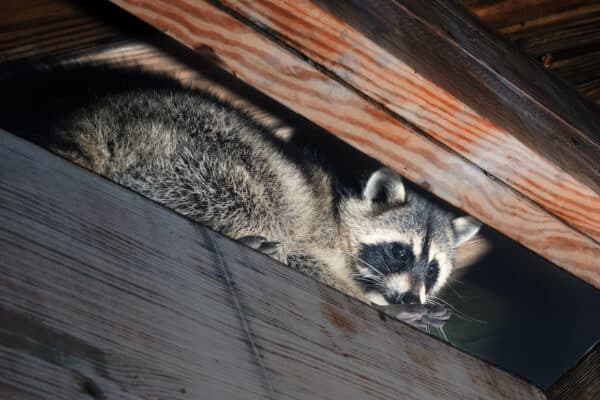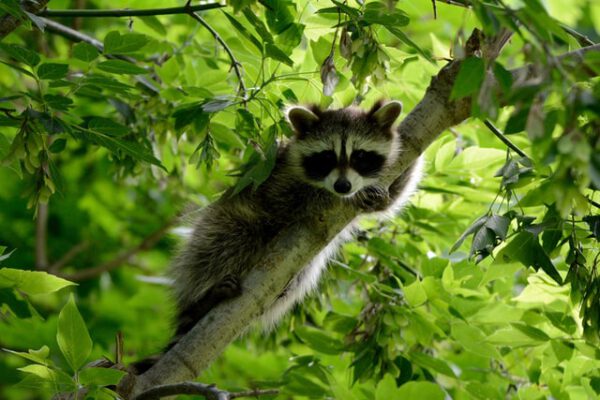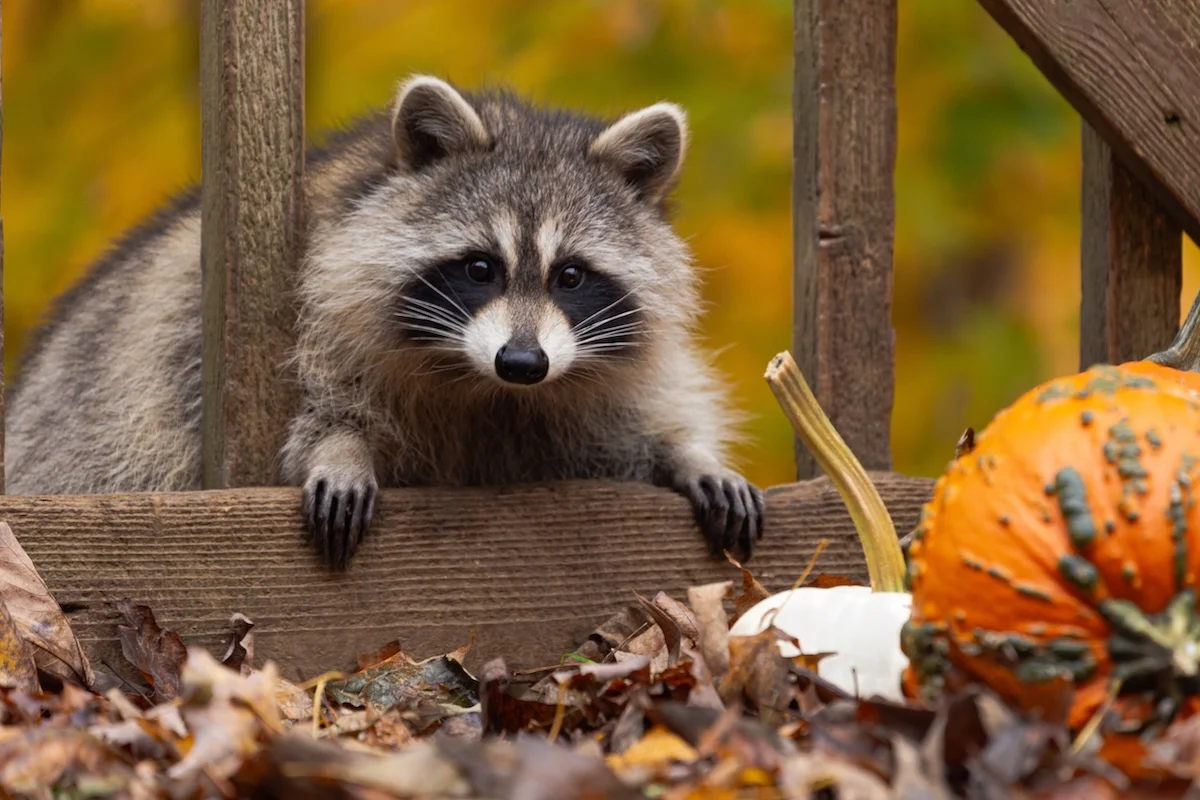
The leaves are turning, and the evenings are getting cooler. Then you hear heavy footsteps on your roof at night, or you find your trash cans tipped over on a Tuesday morning. Raccoon fall activity often catches homeowners off guard because many people associate raccoon problems with spring. In reality, autumn is one of the busiest seasons for raccoons near homes.
Raccoons are opportunistic, intelligent animals that adapt quickly to human environments. Furthermore, the changes that come with autumn push them toward the food, shelter, and warmth that houses provide. Understanding why raccoon fall activity increases helps homeowners prepare before a problem takes hold.
This guide explains what drives raccoons into homes in the fall, the signs to watch for, the risks involved, and how to protect your property before winter arrives.
What Drives Raccoon Fall Activity
Raccoon behavior changes with the seasons. Indeed, the biological needs of raccoons in autumn explain why they seek out human structures.
Building Fat Reserves for Winter
Raccoons must eat heavily before cold weather. Although raccoons do not truly hibernate, they slow their activity during the coldest months and rely on stored body fat to survive. Therefore, raccoons spend autumn eating as much as possible. Moreover, this period of intense feeding is called hyperphagia, and it can last for several weeks.
Food sources become the priority. During this stage, raccoons may eat nearly any available food. Consequently, they are drawn to garbage, pet food, bird seed, fallen fruit, and garden crops. Additionally, a raccoon that discovers an easy meal near your home will often return night after night.
Natural food supplies decline. As summer ends, insects, berries, and other natural foods become scarcer. Furthermore, the nuts and fruit that do remain are often spread across large areas. Consequently, raccoons find human food sources more reliable and convenient.
Shelter Needs Increase
Cold weather makes shelter essential. As nights grow colder and wetter, raccoons search for dens that protect them from wind, rain, and freezing temperatures. Moreover, a dry, insulated space can make the difference between a comfortable winter and a dangerous one.
Homes offer ideal den conditions. Attics, chimneys, crawl spaces, sheds, and wall voids provide the enclosed warmth raccoons want. Furthermore, these spaces are often located close to food sources, making them especially attractive. Consequently, the search for winter shelter frequently leads raccoons directly to residential structures.
Existing dens are reused. Raccoons often return to dens they used successfully in previous seasons. Therefore, a home that sheltered raccoons in spring may attract them again in autumn if the entry points were never sealed.
Young Raccoons Seek Their Own Territory
Juvenile raccoons disperse in fall. Young raccoons born in spring typically stay with their mothers through summer and begin to disperse in late summer and autumn. However, these inexperienced animals often struggle to find suitable territory. Consequently, many end up investigating homes, garages, and outbuildings.
Inexperience leads to mistakes. First-year raccoons lack the knowledge of safe foraging areas that adult raccoons have developed. Moreover, they are more likely to wander into open garages, enter through small gaps, or explore neighborhoods during daylight hours. As a result, young raccoons are a common source of autumn complaints.
Common Ways Raccoons Enter Homes in Autumn
Raccoons are strong, dexterous, and persistent. Indeed, they can exploit many small weaknesses in a home’s exterior.
Roofline and Attic Access
Roof vents and soffits are frequent targets. Raccoons can tear away damaged vent covers, pull soffit panels loose, and pry open gaps around fascia boards. Furthermore, their strong front paws allow them to enlarge openings quickly.
Chimneys without caps invite entry. An uncapped chimney gives raccoons direct access to the warm interior space below. Moreover, raccoons may climb down the flue and become trapped or cause serious damage to the chimney and home.
Overhanging branches provide access routes. Raccoons are excellent climbers. Therefore, tree limbs that touch or hang near the roofline serve as convenient ladders to your upper levels.
Ground-Level Entry Points
Crawl space vents are often unprotected. Foundation vents with damaged or missing screens can allow raccoons to access the space beneath your home. Additionally, crawl spaces provide protected, insulated areas that raccoons find appealing.
Garage doors and side doors create weak spots. Worn weatherstripping, gaps under doors, and doors left ajar frequently allow raccoons to slip into garages. Moreover, once inside, they can access stored food and pet supplies.
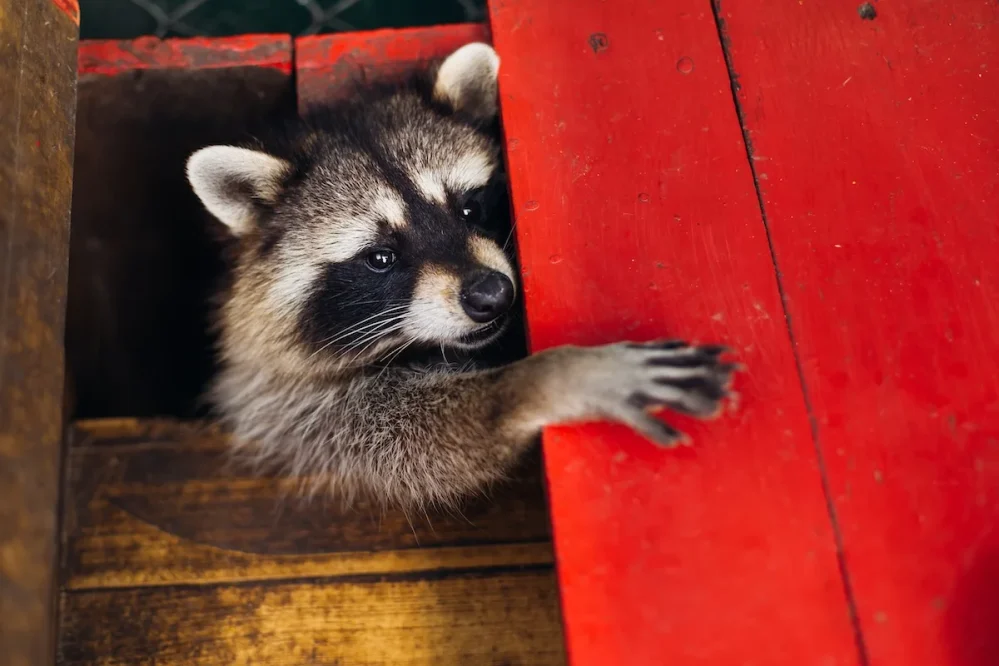
Decks and porches offer hidden shelter. The space beneath decks and porches gives raccoons a sheltered place to rest. Furthermore, these areas are often overlooked during maintenance.
Warning Signs of Raccoon Fall Activity
Early detection makes raccoon problems easier and less expensive to solve. Therefore, homeowners should watch for the following signs during autumn.
- Overturned or torn trash bags. Raccoons are skilled at opening garbage containers, especially those without locking lids.
- Muddy paw prints on decks, siding, or vehicles. Raccoon tracks resemble small human handprints with five toes.
- Heavy thumping or scurrying overhead at night. Adult raccoons weigh between 10 and 30 pounds, so their movement is often loud and distinct.
- Scattered pet food or bird seed. Animals rarely leave food untouched once they discover it.
- Droppings in concentrated areas. Raccoon feces are cylindrical and often contain seeds or other food remnants.
- Damaged roof vents, soffits, or screens. Fresh chew marks or torn materials often indicate recent activity.
- Strong musky odors. Raccoons can leave a pungent smell in dens and latrine areas.
Risks Raccoon Fall Activity Creates
Raccoons are more than a nuisance. Indeed, their presence can create serious risks to your property and your family.
Health Concerns
Raccoon roundworm is a serious threat. Baylisascaris procyonis eggs are shed in raccoon feces and can survive in the environment for years. Moreover, accidental ingestion can cause severe neurological damage, particularly in young children. Therefore, droppings should never be handled without proper protection.
Rabies is a concern. Raccoons are one of the primary carriers of rabies in North America. Consequently, any bite or scratch should be reported to a doctor immediately. The CDC rabies resource provides reliable guidance on prevention and exposure.
Parasites spread to living spaces. Fleas, ticks, and mites that live on raccoons can move into attics, walls, and living areas. Furthermore, these parasites can transmit additional illnesses to people and pets.
Property Damage
Electrical wiring is at risk. Raccoons may chew wires or tear open electrical boxes while nesting. Moreover, damaged wiring creates fire hazards that can be difficult to detect.
Insulation loses effectiveness. Raccoons pull insulation apart to create bedding. As a result, your home becomes harder to heat, and energy bills may rise.
Roof and structural damage can occur. Raccoons can loosen shingles, tear fascia boards, and weaken roof decking. Furthermore, water intrusion from these openings can lead to rot and mold.
Pet and Family Safety
Confrontations are risky. Pets that encounter raccoons may suffer serious bites, scratches, or disease exposure. Additionally, a raccoon that feels cornered may defend itself aggressively.
Children should be kept away. Families should keep children away from raccoon droppings, dens, and any animal that appears sick or unusually tame.
Why Autumn Removal Requires Professional Help
Many homeowners consider handling a raccoon problem themselves. However, DIY attempts often create more problems than they solve.
- Sealing an entrance with a raccoon inside can trap it. A trapped raccoon may tear through walls or ceilings, causing extensive damage.
- Mother raccoons may still have young. Although most spring litters are independent by fall, some family groups remain together, and separating them can be harmful.
- Improper trapping can injure the animal and the handler. Raccoons can bite and scratch severely when frightened.
- Cleanup requires specialized care. Droppings and contaminated insulation must be removed with protective equipment to prevent disease exposure.
- Incomplete exclusion leads to return visits. Raccoons remember successful den sites and often find new openings if the original ones are not properly sealed.
Professional wildlife technicians understand raccoon behavior and local wildlife regulations. Moreover, they can identify all entry points, use humane exclusion methods, and complete a thorough cleanup. For homeowners dealing with an active problem, a professional raccoon removal service provides a safe and lasting solution.
Preventing Raccoon Fall Activity Before Winter
The best time to prevent raccoon problems is before they begin. Fortunately, a few autumn maintenance steps can make a significant difference.
Secure Food Sources
- Use raccoon-resistant trash containers. Choose bins with locking lids or store them in a garage or shed until pickup day.
- Bring pet food indoors. Avoid leaving food or water bowls outside overnight.
- Clean up fallen fruit and nuts. Remove produce from the ground promptly.
- Secure compost piles. Use covered bins and avoid adding meat or dairy scraps.
- Take down bird feeders for part of the season. Seed attracts raccoons as well as birds.
Seal Entry Points
- Install sturdy vent covers. Use heavy-gauge metal mesh that cannot be pried open easily.
- Cap all chimneys. A properly fitted cap blocks access while allowing proper ventilation.
- Repair soffits, fascia, and roof damage. Replace rotted or loose materials before they become entry points.
- Check garage door seals. Replace worn weatherstripping and close gaps at the bottom of the door.
- Inspect crawl space and deck barriers. Secure access points beneath the home and porch.
Trim Vegetation
- Cut back branches near the roofline. Maintain at least six to eight feet of clearance between trees and your home.
- Keep shrubs away from walls. Dense plants offer cover and climbing routes.
Schedule an Inspection
An autumn inspection can reveal weaknesses that are difficult to see from the ground. Professional technicians can identify vulnerable spots and recommend improvements before the coldest weather arrives.
Protecting Your Home from Raccoon Fall Activity
Raccoon fall activity is predictable, which means homeowners have time to prepare. Raccoons are searching for food, shelter, and safe territory as winter approaches. Your home can provide all three unless you take steps to close the gaps and remove the attractions.
Keep an eye out for early warning signs such as overturned trash, muddy tracks, and noises in the roofline. If you notice them, act quickly. The sooner an animal is discouraged, the simpler and less costly the solution will be.
At Covenant Wildlife, we help homeowners resolve raccoon problems safely, humanely, and permanently. Our technicians inspect your property, identify every entry point, remove raccoons according to local regulations, clean contaminated areas, and seal your home against future visits. If raccoons are already making themselves at home, contact Covenant Wildlife today for a thorough inspection and a plan that protects your family before winter arrives.