
A customer spots a rodent near the loading dock. A health inspector finds droppings in the storage room. An employee reports scratching in the ceiling tiles above the break room. For business owners and facility managers, wildlife problems are about more than inconvenience. They can threaten food safety, customer trust, employee wellbeing, and the bottom line. Commercial wildlife removal requires a different approach than residential service.
Businesses have larger buildings, more entry points, stricter health regulations, and operational schedules that cannot simply stop. Furthermore, the damage a single animal can cause in a warehouse, restaurant, or office building can quickly become costly. Understanding how commercial wildlife problems develop and how they should be managed is essential for protecting your organization.
This article explains the most common wildlife problems businesses face, why they matter, what effective commercial wildlife removal involves, and how to prevent future issues.
Why Commercial Properties Attract Wildlife
Commercial buildings often provide the same things wildlife seeks in residential homes: shelter, warmth, and reliable food. However, the scale of these properties magnifies the problem.
Food storage draws animals in. Restaurants, grocery stores, and food processing facilities store large quantities of ingredients, packaging, and waste. Therefore, these operations are especially attractive to rodents, raccoons, and birds. Moreover, even small food spills can attract animals over time.
Large structures offer many hiding places. Warehouses, plazas, and office buildings contain drop ceilings, wall voids, mechanical rooms, and rooftop equipment. Consequently, animals can establish nests and travel routes that remain hidden from staff for weeks or months.
Loading areas create access points. Dock doors, roll-up doors, and delivery entrances are often open for extended periods. Furthermore, they may have worn seals or gaps that allow animals to enter unnoticed.
Landscaping and waste areas invite visitors. Dumpsters, compost areas, and dense shrubbery provide cover and food. Additionally, retention ponds and standing water can attract wildlife seeking drinking water and insects.
Common Commercial Wildlife Problems
Different types of businesses face different challenges. However, several problems appear across most commercial properties.
Rodent Infestations
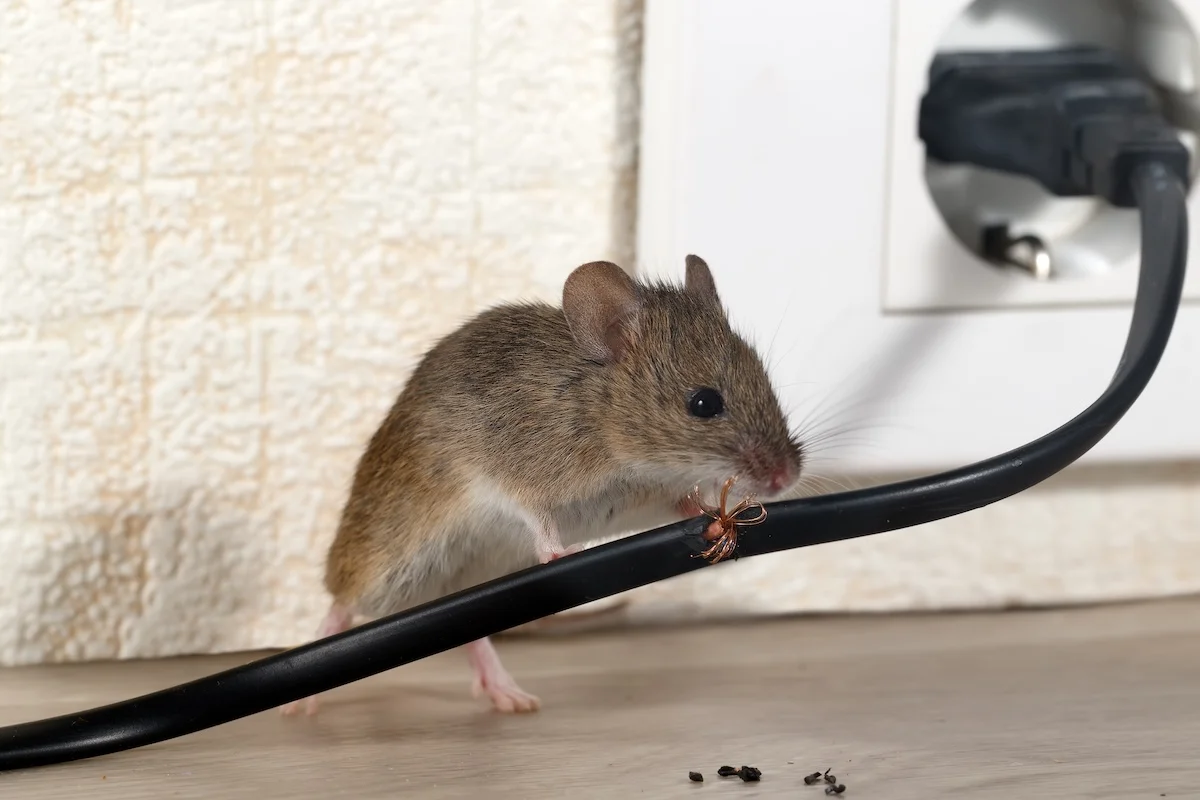
Rodents are among the most frequent and serious commercial pests. Mice and rats can contaminate food, damage packaging, and spread disease. Furthermore, they reproduce quickly, so a small problem can become a large infestation within a few months.
- Mice often enter through gaps as small as a quarter inch.
- Rats can squeeze through openings about the size of a quarter and chew through many common building materials.
- Signs of rodents include droppings, gnaw marks, grease trails along walls, and damaged packaging.
Birds
Birds can create serious problems in commercial spaces. Pigeons, starlings, and sparrows nest on ledges, rooftops, and building openings. Moreover, their droppings can corrode materials, create slip hazards, and carry bacteria and fungi.
Many bird species are protected by federal law, which means removal must be handled carefully and within legal guidelines.
Raccoons, Opossums, and Other Mammals
Larger mammals can enter commercial buildings through roof vents, loading areas, and crawl spaces. Raccoons, in particular, may tear through packaging, scatter waste, and damage electrical wiring. Additionally, they can carry diseases such as rabies and raccoon roundworm.
Bats
Bats frequently roost in attics, roof spaces, and wall voids of commercial buildings. Their droppings, called guano, can accumulate quickly and may carry histoplasmosis spores. Furthermore, bats are protected in many regions, and exclusion is restricted during certain seasons. Therefore, bat problems require careful planning and professional handling.
Insects and Other Pests
Although this article focuses on wildlife, many animal problems are linked to secondary pests. Fleas, mites, and beetles from nests or droppings can spread throughout a building and complicate pest control efforts.
Why Commercial Wildlife Problems Are Costly
Wildlife problems can affect a business in several ways at once. Indeed, the financial impact often extends well beyond the cost of removal.
Food safety violations can close operations. Health inspectors take wildlife activity seriously. Consequently, evidence of rodents or birds in food areas may result in citations, fines, or temporary closure.
Inventory and product damage adds up. Animals can chew packaging, contaminate goods, and destroy stock. As a result, businesses may need to discard products they cannot sell.
Structural and electrical damage creates risks. Wildlife can damage insulation, wiring, ductwork, and roofing. Furthermore, damaged wiring increases fire hazards, and roof damage can lead to water intrusion.
Reputation is difficult to rebuild. Customers who see droppings, nests, or animals in or near a business may leave negative reviews or stop visiting. Therefore, a wildlife problem can damage customer trust long after it has been resolved.
Employee health and productivity suffer. Workers exposed to droppings, allergens, or parasites may develop health problems. Moreover, ongoing disruptions can lower morale and reduce productivity.
What Effective Commercial Wildlife Removal Involves
Commercial wildlife removal is more complex than residential service. It requires thorough planning, skilled technicians, and careful coordination with business operations.
Comprehensive Inspection
A professional inspection is the foundation of any effective commercial wildlife removal plan. Technicians examine the entire property, including the roof, exterior walls, loading areas, mechanical rooms, and interior spaces.
During inspection, technicians typically:
- Identify the animal species involved
- Locate entry points, nesting areas, and travel routes
- Assess the extent of contamination and damage
- Evaluate attractants such as food, waste, and standing water
- Determine whether young animals are present
Humane and Legal Removal Methods
Removal methods depend on the species involved, the season, and local regulations. Common approaches include:
- One-way exclusion devices that allow animals to leave but prevent re-entry
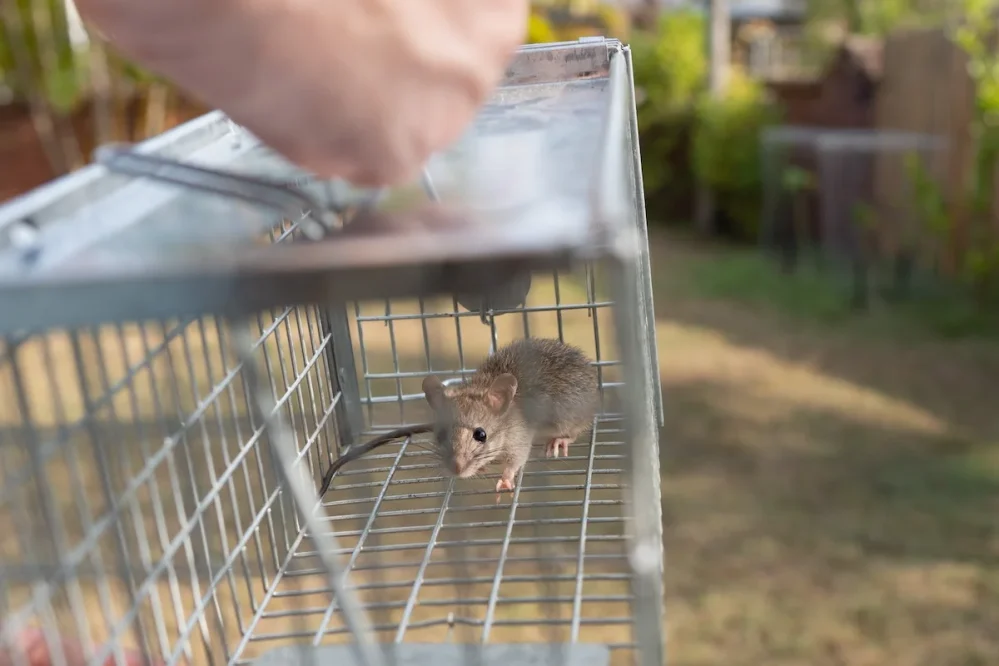
- Live trapping for certain species when appropriate
- Exclusion timing planned around breeding seasons and protected periods
- Reunion techniques that keep mothers and young together when babies are present
Professional technicians understand which methods are lawful and humane for each situation. Furthermore, they can explain the timeline clearly so business operations are disrupted as little as possible.
Exclusion and Sealing
Removing animals is only part of the solution. Without proper exclusion, new animals will eventually take their place. Therefore, complete commercial wildlife removal includes sealing every entry point with durable materials.
Common exclusion materials include:
- Heavy-gauge steel mesh
- Sheet metal flashing
- Sealed door sweeps and dock seals
- Vent covers and chimney caps
- Professional-grade sealants
Sanitation and Cleanup
Once animals are removed, contaminated areas must be cleaned and disinfected. This step is especially important in food service and manufacturing environments. Professional cleanup typically includes removing droppings and nesting materials, disinfecting surfaces, and treating areas affected by parasites.
Technicians use protective equipment during cleanup, particularly when handling bat guano or rodent droppings. Improper cleanup can expose staff to serious illnesses, so it should never be attempted without proper training.
Documentation
Businesses benefit from detailed documentation. Professional service providers often supply inspection reports, photographs, treatment records, and service logs. These records support compliance with health and safety requirements and can help with insurance claims or audits.
Preventing Commercial Wildlife Problems
Prevention is more cost-effective than repeated removal. A proactive program can significantly reduce the risk of future problems.
Maintain the Building Exterior
- Inspect roofs, soffits, and vents at least twice a year
- Repair damaged siding, fascia, and flashing promptly
- Install sturdy screens on vents and openings
- Replace worn dock seals, door sweeps, and weatherstripping
Control Food and Waste
- Store dumpsters at a distance from the building and keep lids closed
- Clean up spills and crumbs promptly
- Keep food stored in sealed containers
- Schedule frequent waste removal, especially in food service areas
Manage the Landscape
- Trim trees and shrubs away from the building
- Keep grass and weeds maintained near entrances
- Eliminate standing water where possible
- Remove debris piles that provide shelter
Train Staff
Employees are often the first to notice wildlife activity. Therefore, training staff to recognize and report signs of animals can catch problems early. Staff should know how to report droppings, sightings, noises, and damage to the appropriate manager.
Schedule Regular Inspections
Routine professional inspections help identify weaknesses before animals exploit them. Many businesses benefit from quarterly or seasonal evaluations, particularly if they operate near wooded areas or water.
Choosing a Commercial Wildlife Removal Provider
Selecting the right provider is essential. Business owners should look for a company that offers:
- Proper licensing and insurance for wildlife control work
- Experience with commercial properties and the regulations that apply to them
- Clear communication about timelines, costs, and operational impact
- Humane, legal methods that comply with local and federal laws
- Detailed documentation that supports compliance and record-keeping
- Warranties or follow-up services that address recurrence
The lowest bid is not always the best value. A thorough inspection, complete exclusion, and proper cleanup often prevent larger expenses later.
Protecting Your Business from Wildlife
Commercial wildlife problems are manageable when addressed early and handled by professionals. Animals in a business can affect food safety, property, reputation, and the health of employees and customers. Therefore, treating wildlife as a serious operational concern is a smart investment.
The most effective strategy combines professional removal, permanent exclusion, sanitation, and prevention. Businesses that maintain their buildings, control food and waste, and act quickly when problems appear are far less likely to face lasting disruption.
Covenant Wildlife helps businesses resolve animal problems safely, legally, and humanely. Our technicians conduct thorough inspections, plan removal around your operations, seal entry points permanently, and provide detailed documentation for your records. If wildlife is affecting your property, contact Covenant Wildlife today to schedule a commercial inspection and protect your business before the problem grows.
For more background on how the Centers for Disease Control and Prevention addresses rodent-related health concerns, visit the CDC’s rodent control resources.


