The leaves have fallen, the nights are colder, and the furnace is running more often. For many animals, these same changes are a signal to find shelter before winter sets in. Fall wildlife removal is a common concern for homeowners because animals searching for warm, protected spaces often end up inside attics, crawl spaces, chimneys, and garages.
Late fall is a critical window. Animals that have been foraging all season need a den for the coming months, and a heated home looks like an ideal option. Furthermore, many homeowners do not notice a problem until animals are already settled in. Understanding why fall invasions happen and what you can do now can help you avoid a costly winter problem.
This guide explains why wildlife moves into homes in the fall, which animals cause the most trouble, the warning signs to watch for, and how to prepare your property for the cold months ahead.
Why Wildlife Seeks Shelter in the Fall
Animals respond to changing conditions. Indeed, the shorter days and colder temperatures of autumn drive several behaviors that bring wildlife closer to human structures.
Food supplies are shrinking. As summer ends, natural food sources such as insects, berries, and seeds become harder to find. Therefore, animals look for reliable meals near homes, including garbage, pet food, and fallen fruit.
Animals need to store energy. Many species build up body fat before winter. Consequently, they feed heavily during fall, which increases their interest in easy food sources.
Cold weather makes shelter essential. Freezing temperatures, wind, and snow make open ground dangerous. Moreover, attics, wall voids, and crawl spaces offer insulation and protection from the elements.
Young animals are looking for their own space. Many juvenile animals born in spring are now independent. However, they lack experience and often settle in whatever shelter they can find.
Common Fall Invaders
Several animals commonly cause problems in autumn. Knowing which ones are active in your area helps you prepare more effectively.
Squirrels
Squirrels are often busy in fall because many species gather and store food. Furthermore, a second breeding season in late summer can produce young that need shelter. Squirrels may chew through soffits, vents, and wiring to reach attic spaces, which creates both damage and fire risks.
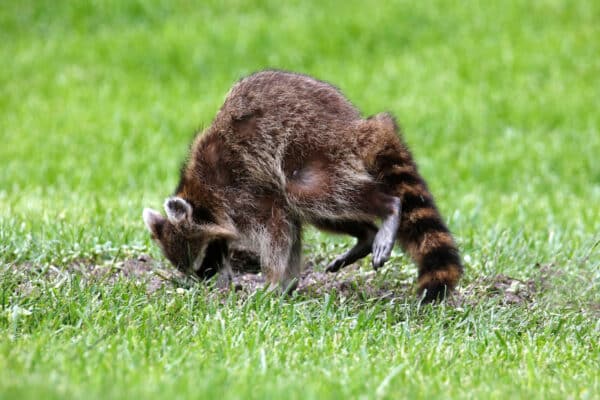
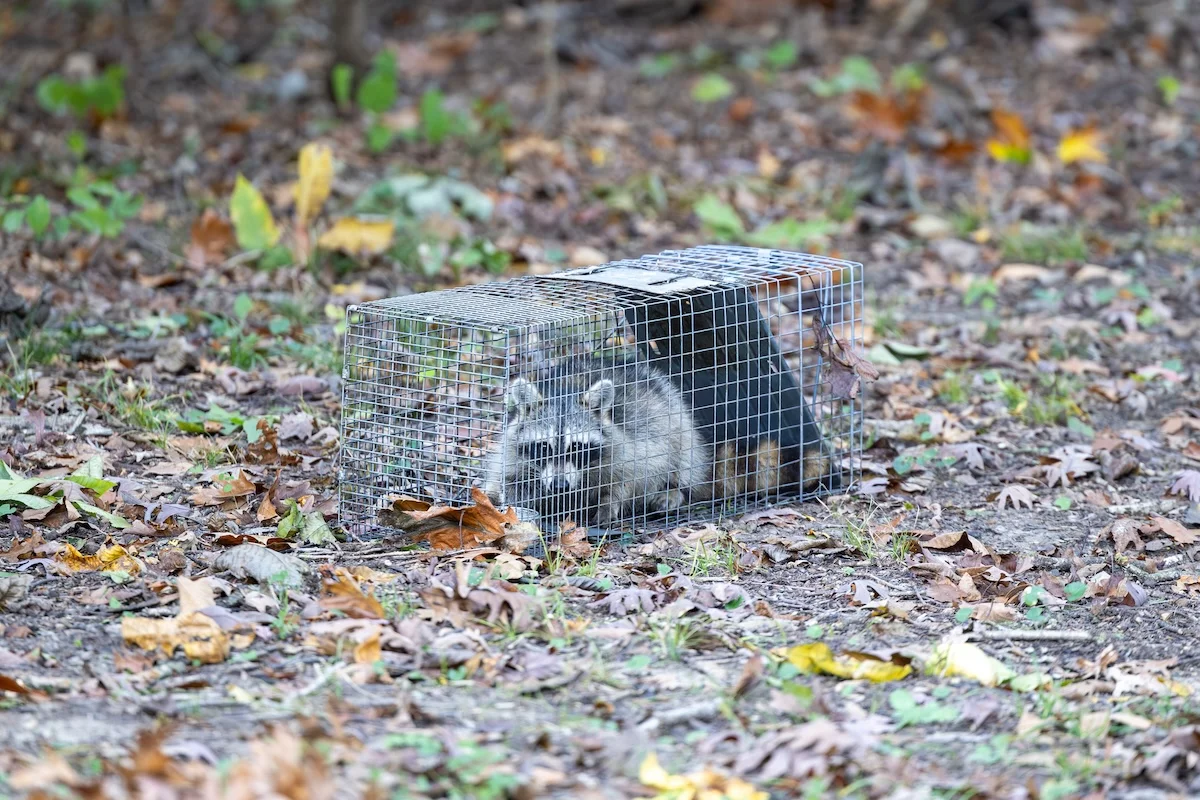
Raccoons
Raccoons eat heavily in autumn to prepare for winter. They may tear through garbage bags, raid pet food, and search for dens in chimneys, attics, and sheds. Moreover, raccoons are strong enough to pry open loose vent covers and damaged roofing.
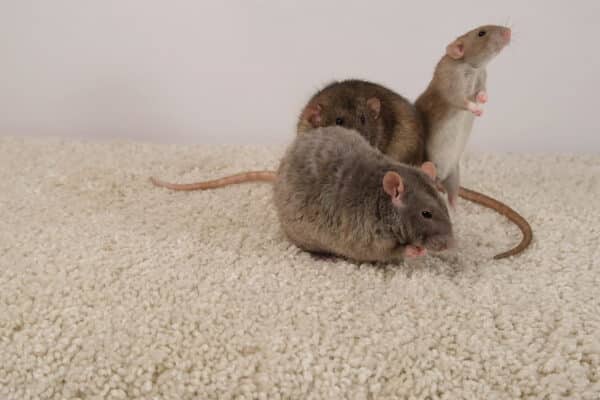
Mice and Rats
Rodents move indoors as temperatures drop. Mice can enter through openings as small as a quarter inch, and rats can chew through many common materials. Therefore, even a small gap in a foundation or door sweep can become an entry point.
Bats
Some bats roost in attics, soffits, and wall voids. In fall, they may begin preparing for hibernation or migration. Bats are protected in many regions, so their removal is often restricted and must be carefully timed.
Opossums and Skunks
Opossums and skunks often look for shelter under decks, sheds, and porches. Skunks may dig beneath structures, while opossums may climb onto roofs or enter through open garages.
Warning Signs of a Fall Problem
Early detection makes wildlife problems easier and less costly to solve. Therefore, watch for these signs during autumn.
- Scratching or scurrying in the attic or walls. Noises that appear at dusk or overnight are common indicators.
- Droppings near entry points. Accumulated droppings in attics, garages, or under decks suggest animals have been using the space.
- Chewed wiring or insulation. Damaged materials are a serious warning sign, especially around electrical components.
- Torn trash bags or raided pet food. Overturned containers often indicate raccoons or other scavengers.
- New holes or damaged vents. Fresh gnaw marks, pried-open covers, or torn screens may point to recent entry.
- Strong odors. Musky or ammonia smells can indicate urine or nesting areas.
If you notice any of these signs, act promptly. The longer an animal remains, the greater the risk of contamination, structural damage, and fire hazards.
Risks of Fall Wildlife Invasions
Wildlife inside a home can create problems that become more serious as winter approaches.
Fire Hazards
Animals chewing on wiring can expose conductors and create short circuits. Moreover, nesting materials near electrical components can ignite. Because these problems often happen out of sight, they may go unnoticed until damage is severe.
Health Concerns
Droppings, urine, and nesting materials can carry diseases and parasites. For example, raccoon roundworm, histoplasmosis from bat guano, and leptospirosis from rodent urine are all serious risks. Additionally, fleas, ticks, and mites can spread from animals into living spaces.
Structural and Insulation Damage
Animals tear insulation to build nests and gnaw on wood to create entry points. As a result, your home may lose heating efficiency, and energy costs may rise. Water damage can also follow when roofing or vent openings allow moisture in.
Entrapment and Escalation
Animals that become trapped inside walls or attics can cause additional damage as they try to escape. Furthermore, if a mother is separated from her young, the babies may die inside the structure, creating odors and health hazards.
Preparing Your Home Before Winter
Preparation is the most effective way to prevent fall wildlife removal problems. The steps below can help you make your home less appealing before animals move in.
Inspect the Roofline and Attic Access
- Check roof vents, soffits, and fascia for loose or damaged materials.
- Confirm that vent covers are secure and made of sturdy metal mesh.
- Install or repair chimney caps to block access.
- Inspect attic vents and gable vents for gaps or torn screening.
Seal Ground-Level Openings
- Repair or replace damaged crawl space vent covers.
- Seal gaps around utility lines, pipes, and wires.
- Install door sweeps and replace worn weatherstripping on exterior doors.
- Check garage door seals for gaps at the bottom and sides.
Trim Trees and Shrubs
- Cut back branches to keep them six to eight feet from the roofline.
- Trim shrubs away from foundations and walls.
- Remove dead limbs that could provide access.
Secure Food and Waste
- Store garbage in containers with locking lids, or keep them in a garage until pickup.
- Bring pet food indoors at night.
- Clean up fallen fruit and nuts from the yard.
- Secure compost bins and avoid adding meat or dairy scraps.
Consider Deck and Porch Barriers
- Install hardware cloth or skirting around the underside of decks and porches.
- Bury barriers if animals have been digging beneath the structure.
- Check existing barriers for damage after storms or freezing weather.
When to Call a Professional
Some situations are best handled by trained wildlife technicians. Professional help is especially important when:
- Animals are already inside. Attempting to remove them without proper equipment can cause injury and further damage.
- Babies may be present. Separating mothers from young is harmful and, in some areas, restricted by law.
- Bats are involved. Bat exclusion is often limited to specific times of year, and improper handling can violate protective regulations.
- Electrical or structural damage is visible. A licensed electrician or contractor may need to assess the damage in addition to the wildlife removal.
- You are unsure what is living in your home. A professional can identify the species and recommend the right approach.
Professional technicians use humane exclusion methods, inspect for every entry point, clean contaminated areas, and seal the structure to prevent return visits. They also understand the seasonal rules that affect when and how removal can occur.
If you suspect wildlife has already moved in, consider contacting a professional wildlife removal service to schedule an inspection before winter weather makes the situation more difficult.
For more information on protecting your home and family from wildlife-related health risks, the CDC’s rodent control guidance offers practical background.
Protecting Your Home This Winter
Fall is the right time to think about winter wildlife problems. Animals are preparing for the cold, and every gap or unsecured food source gives them a reason to choose your property. However, homeowners who inspect their roofline, seal entry points, and manage attractants can significantly reduce the risk.
Start with a thorough walk around your home. Look at the roof, vents, foundation, and yard for signs of activity or damage. Then make the repairs and changes that will matter most before the first hard freeze.
At Covenant Wildlife, we help homeowners prepare for the season ahead. Our technicians can inspect your property, identify vulnerable entry points, remove animals that have already moved in, and seal your home so it stays protected through winter. If you are concerned about wildlife in your home or want a preventive inspection before the cold sets in, contact Covenant Wildlife today.